%2Ffit-in%2F250x250%2Fguide_websites%2F19514%2Fimages%2F1739227203310fishlogosmaller4.png&w=1920&q=100)
/users/3f42be31-69f5-41b0-80f3-9fa260c1b5ea/ratecard/image96.png)
%2F300x300%2Fusers%2F3f42be31-69f5-41b0-80f3-9fa260c1b5ea%2Fratecard%2Fimage96.png&w=256&q=75)
%2Ffilters%3Aformat(webp)%2F300x300%2F4ff581d0-2feb-4ca1-af8a-2a4a28c14e4a%2Freport%2Fsocial%2Fimages%2Freport%2Ffreshly_caught_striped_fish_221289.png&w=256&q=75)
Top-Rated Inshore Fishing at Cape Canaveral

 Port Canaveral
What you will be catching:
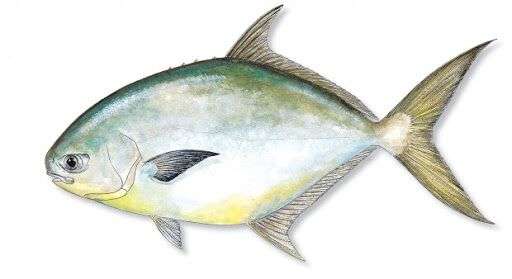
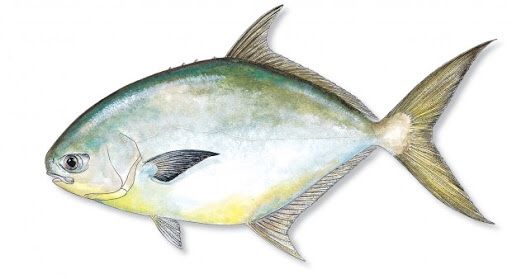 Florida Pompano
 Redfish
 Snook
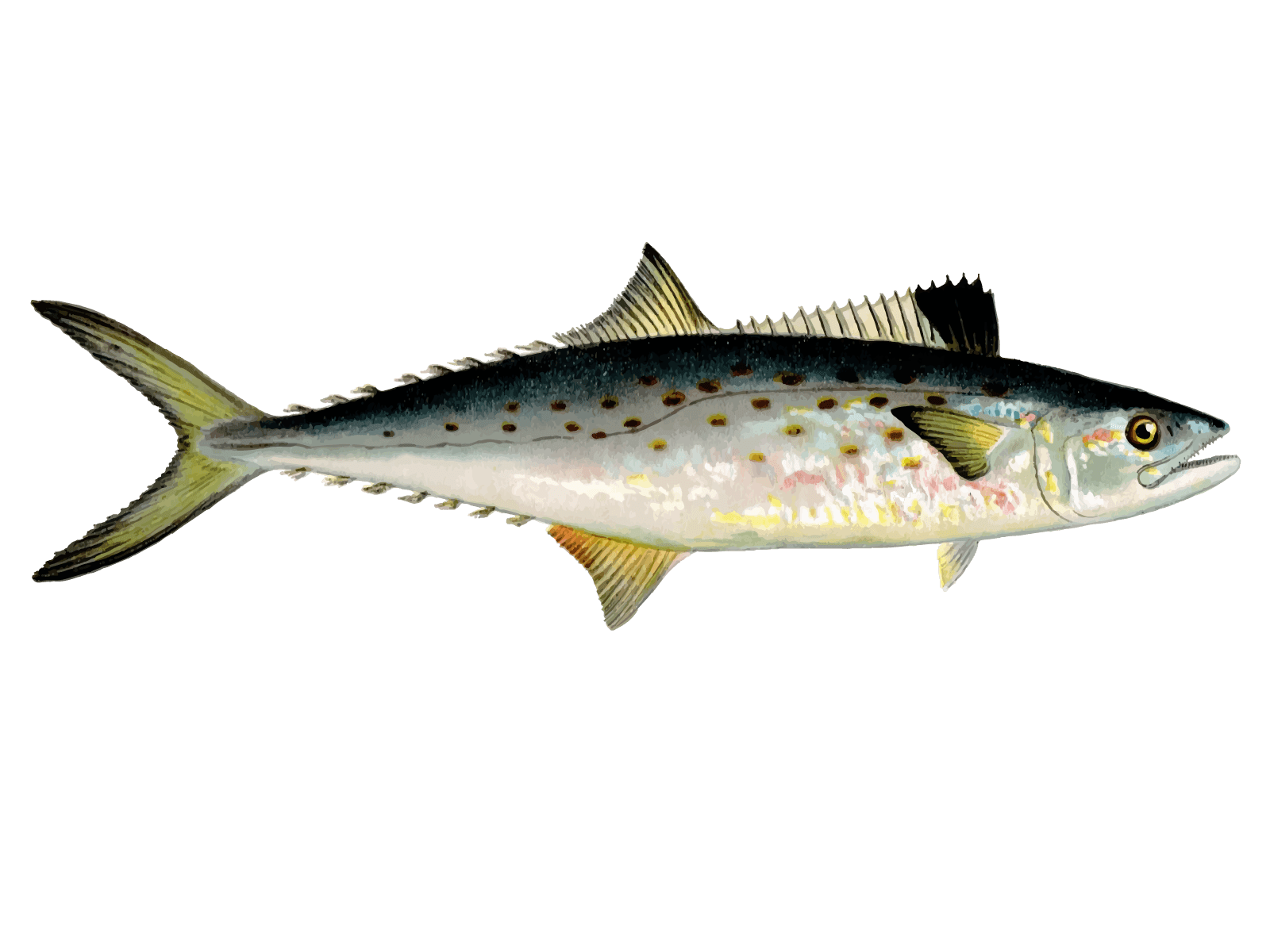
Snook Spanish Mackerel
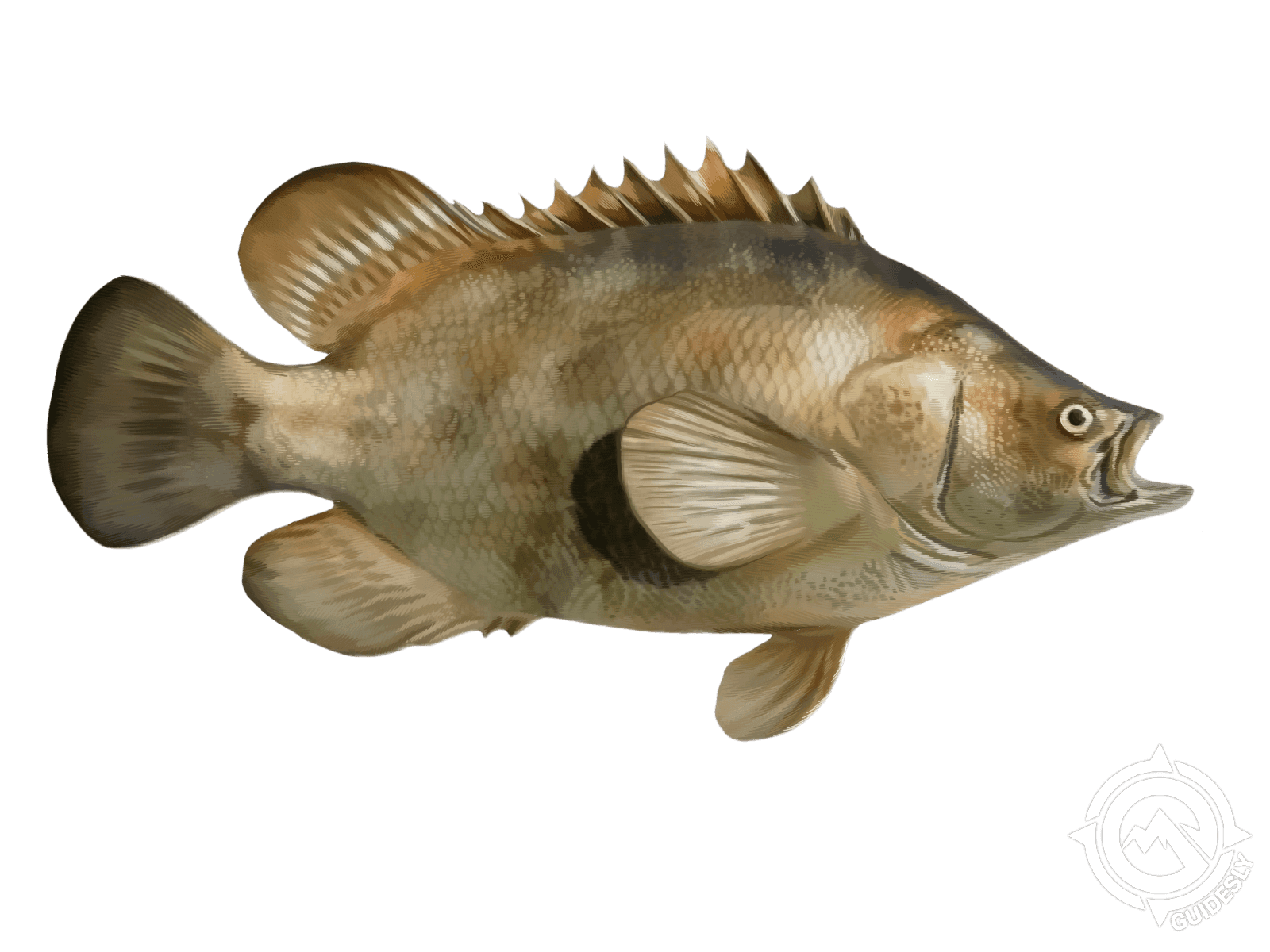
 Tripletail
- Head out on the productive waters around Cape Canaveral for some quality inshore fishing. This guided trip takes up to 2 anglers and focuses on the species that make this area famous
- Spanish Mackerel, Snook, Redfish, Pompano, and Mangrove Snapper. Your experienced captain knows exactly where to find fish and provides live bait to give you the best shot at success. The waters here are loaded with variety, so you never know what might hit your line next. Whether you're after that perfect Snook or hoping to box some tasty Pompano, a few hours on these flats can really pay off. Port Fishing Charters runs a solid operation that puts you on fish.
Trip Pricing and Availabilities:
Cape Canaveral Inshore Fishing Adventure
Cape Canaveral's waters are something special, and I'm not just saying that because I've been fishing these flats and backcountry spots for years. When you step aboard one of our boats here at Port Fishing Charters, you're getting access to some of Florida's most productive inshore fishing grounds. The Indian River Lagoon system, the Banana River, and the countless mangrove creeks around here hold fish year-round. We're talking about waters that consistently produce trophy redfish, snook that'll test your drag, and Spanish mackerel that'll bend your rod double. This isn't a cattle boat operation either – we keep it intimate with just 2 guests max, so you get the personal attention that makes the difference between a good day and a day you'll be talking about for years.
What to Expect on the Water
Your day starts early – that's when the fish are most active and before the afternoon winds kick up. We'll meet at the marina, load up the live bait wells with fresh shrimp and pilchards, and head out to where the action is. The beauty of inshore fishing here is the variety. One minute you might be sight-casting to a school of redfish tailing in two feet of water, the next you're dropping a live shrimp around a dock piling hoping a snook comes out to play. The scenery changes constantly too. We'll work everything from grass flats where pompano cruise looking for sand fleas, to oyster bars where the mangrove snapper hang out, to the deeper channels where tripletail suspend under floating debris. Every spot tells a story, and after guiding these waters for so long, I know which stories end with bent rods and full coolers. The whole experience feels more like fishing with a buddy who happens to know every secret spot within 20 miles.
Live Bait and Light Tackle
We fish almost exclusively with live bait because that's what works consistently in these waters. Fresh shrimp, live pilchards, pinfish, and finger mullet – that's our arsenal, and it's deadly effective. The tackle stays light too, usually spinning gear in the 15-20 pound class. Heavy enough to turn a big red away from the mangroves, but light enough that you feel every headshake from a jack crevalle. We'll rig everything from free-lined baits for the spooky fish in shallow water to weighted rigs when we need to get down to structure. The boat's equipped with a trolling motor for those super shallow spots where engine noise would blow out every fish in the area. When we're sight fishing, we'll pole or drift, keeping things quiet and natural. Circle hooks are the standard – they hook fish better and make releases healthier. Most of our fishing happens in 2-8 feet of water, which means you can actually see a lot of the action happening below the surface.
Customer Stories
"The captain was excellent. We had two people who were brand-new to saltwater fishing, and he guided them with patience and clear instruction. They ended up catching plenty of fish, and it turned into an awesome first outing for them. We, the dads, had a fantastic day as well. We brought in several species and took home some great fillets. Highly recommended." - Mike
Top Catches This Season
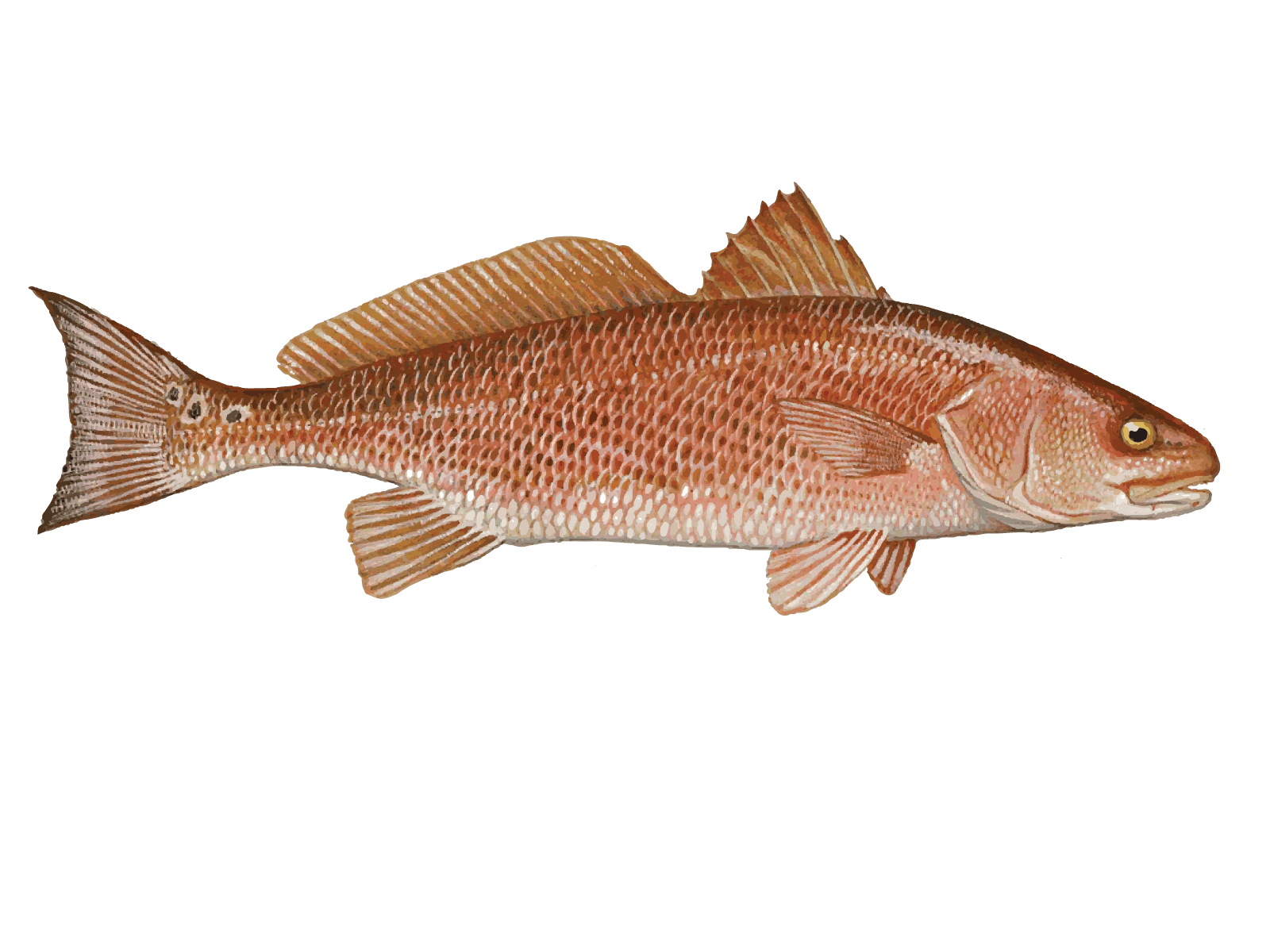
Redfish are the bread and butter of Cape Canaveral inshore fishing, and for good reason. These copper-colored bruisers range from schoolie reds around 18-24 inches up to true bulls pushing 40+ inches and 30+ pounds. The smaller slot-sized fish are fantastic table fare, while the big bulls provide some of the strongest fights you'll experience in shallow water. Fall and spring are prime time when they school up in massive groups, but honestly, we catch reds year-round here. They love structure – oyster bars, mangrove shorelines, grass bed edges – and they're not particularly picky about bait. A live shrimp bounced along the bottom near an oyster bar is redfish candy. What makes them so exciting is how they eat. Sometimes it's a gentle tick-tick-tick, other times they'll slam the bait so hard you think you snagged bottom until the "bottom" starts swimming away.
Tripletail are one of those species that separate the experienced guides from the weekend warriors. These oddball fish suspend under floating objects – crab trap floats, debris, channel markers – and they're masters of camouflage. They look like floating leaves until you get close, then you realize you're looking at a 15-pound fish just hanging motionless in the water column. Summer months are peak season, especially July through September. The trick is approaching them quietly and dropping a live shrimp or small crab right in front of their nose. They eat slow and deliberate, so you need patience, but when they finally decide to take the bait, the fight is worth the wait. Tripletail are strong, unpredictable fighters and excellent eating to boot.
Spanish mackerel show up in big numbers during the cooler months, typically October through March. These speed demons are built for one thing – chasing bait fish at high speed. They've got razor-sharp teeth and hit live bait like a freight train. A live pilchard on a long-shank hook is perfect for Spanish mackerel, and once you find a school, the action can be non-stop. They average 2-4 pounds but what they lack in size they make up for in attitude. The key is finding the bait schools – where you see diving birds and nervous bait on the surface, Spanish mackerel aren't far behind. They're also some of the best eating fish in these waters when prepared fresh.
Florida pompano are the gold standard of inshore table fare, and Cape Canaveral's sand flats and grass beds hold good numbers year-round. These silvery, high-bodied fish cruise the shallows looking for small crabs,
Customer Review
Great Captain Guide

Mike R.
March 25, 2025
Learn more about the species
Florida Pompano
Florida pompano are the gold standard of eating fish - restaurants pay top dollar for their buttery, sweet meat. These silvery, deep-bodied fish with bright yellow fins typically weigh 1-3 pounds and love sandy beaches where they hunt for sand fleas and small crabs. Summer and fall are your best bets before they head to deeper water in winter. Being part of the jack family, they'll give you a surprisingly strong fight for their size. What guests really appreciate is bringing home dinner that rivals any high-end restaurant. Local secret: use small hooks with sand fleas or shrimp, and fish the second sandbar during moving tides. Their small mouths mean finesse over power.
Redfish
Redfish are built for the shallows - you'll find them in 1-4 feet of water around oyster bars, grass flats, and dock pilings. These copper-colored fighters average 20-30 inches but can push 40+ pounds. That distinctive black spot near their tail isn't just for show - it confuses predators and makes for great photos. Spring through fall gives you the best action when they're actively feeding on shrimp and crabs. What makes them special is that explosive strike in skinny water, plus they're fantastic table fare with sweet, flaky meat. Here's a local trick: when you spot one tailing, cast well ahead and let your bait settle naturally. They spook easily if you drop it right on their head.
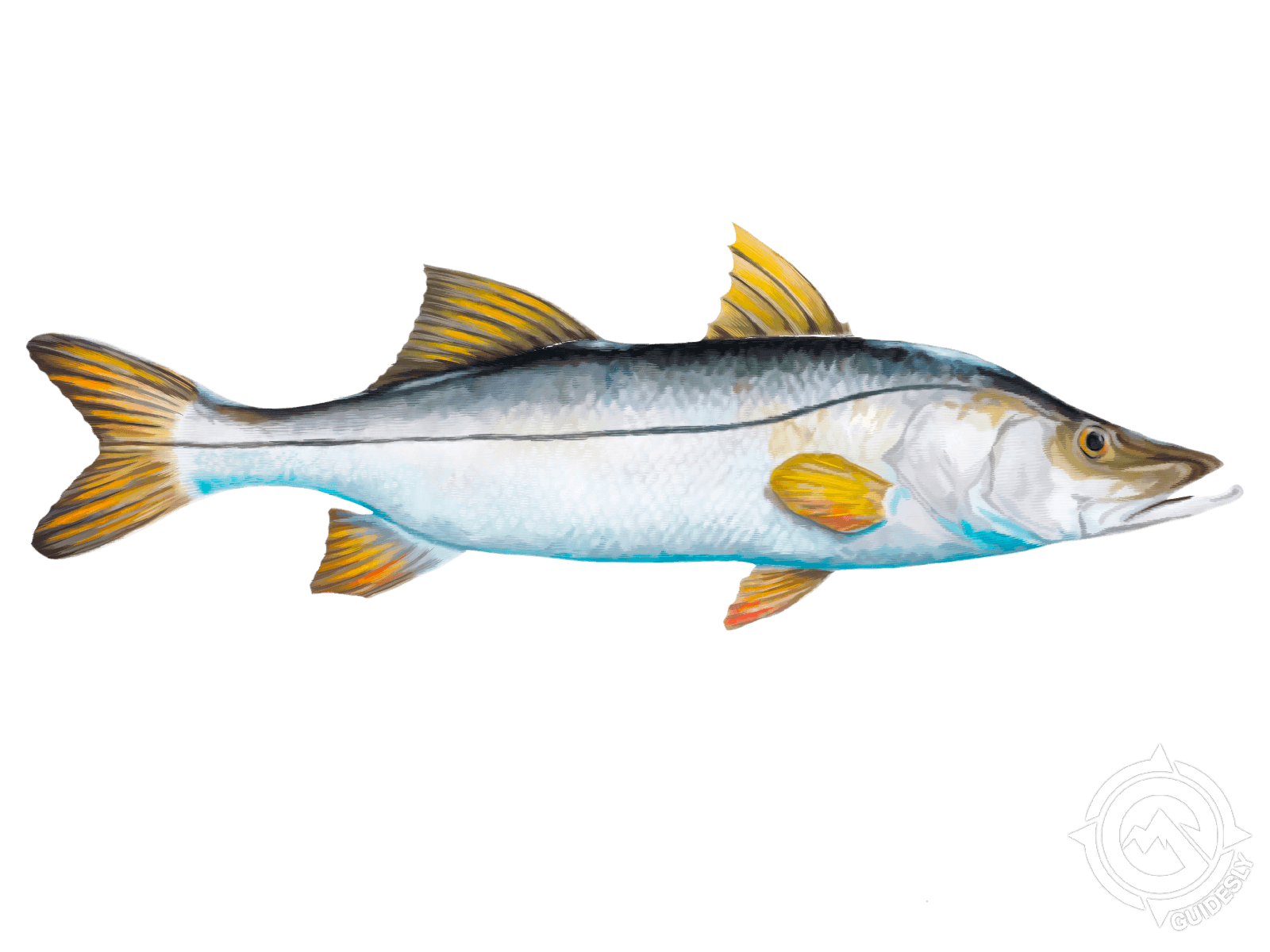
Snook
Snook are Florida's signature inshore game fish with that unmistakable black lateral line and sloped head. These ambush predators average 24-28 inches and love hanging around mangroves, docks, and bridge pilings in both salt and brackish water. May through September is peak season when they're spawning and their fins turn bright yellow. What makes them special is the explosive topwater strikes and bulldogging fights in tight quarters. They're also protected, so it's catch-and-release only during closed seasons. Here's what works: fish the shadow lines with live pilchards or topwater plugs early morning or late evening. They're structure-oriented, so get your bait tight to cover.
Spanish Mackerel
Spanish mackerel are speed demons with razor-sharp teeth and an appetite to match. These silver bullets with yellow spots typically run 1-3 pounds but fight way above their weight class. You'll find schools near the surface around structure, from nearshore reefs to pier pilings. They show up strong in spring and fall when baitfish are moving. What makes them fun is the fast action - when you find a school, it's game on with multiple hookups. They're also excellent eating with firm, mild meat that grills perfectly. Here's the key: use a wire leader or they'll bite right through your line. Small spoons and live shrimp work best, and don't be surprised when they hit at full speed.
Tripletail
Tripletail are the oddball fish that look like floating debris until they strike your bait. These guys hang around structure - channel markers, weed lines, and floating objects where they drift sideways mimicking leaves. They average 3-8 pounds but can hit 20+ pounds with that distinctive three-fin appearance. Summer months are prime time when water temps stay above 70°F. What guests love is the sight-casting challenge and acrobatic fight once hooked. Plus, they taste phenomenal - many say better than grouper or snapper. Pro tip: approach quietly and cast past them, then work your bait slowly into their strike zone. They're easily spooked but worth the stealth approach.

The captain was excellent. We had two people who were brand-new to saltwater fishing, and he guided them with patience and clear instruction. They ended up catching plenty of fish, and it turned into an awesome first outing for them. We, the dads, had a fantastic day as well. We brought in several species and took home some great fillets. Highly recommended.