%2Ffit-in%2F250x250%2Fguide_websites%2F19514%2Fimages%2F1739227203310fishlogosmaller4.png&w=1200&q=100)
/users/3f42be31-69f5-41b0-80f3-9fa260c1b5ea/ratecard/image-2024-11-01t013925.252.png)
%2F300x300%2Fusers%2F3f42be31-69f5-41b0-80f3-9fa260c1b5ea%2Fratecard%2Fimage-2024-11-01t013925.252.png&w=256&q=75)
%2F300x300%2Fusers%2F3f42be31-69f5-41b0-80f3-9fa260c1b5ea%2Fimages%2Fsheepshead-fish-port-canaveral-2612.jpg&w=256&q=75)
%2F300x300%2Fusers%2F3f42be31-69f5-41b0-80f3-9fa260c1b5ea%2Fimages%2Fseven-sheepshead-port-canaveral-2883.jpg&w=256&q=75)
%2F300x300%2Fusers%2F3f42be31-69f5-41b0-80f3-9fa260c1b5ea%2Fimages%2Fsheepshead-fishing-port-canaveral-2361.jpg&w=256&q=75)
%2F300x300%2Fusers%2F3f42be31-69f5-41b0-80f3-9fa260c1b5ea%2Fimages%2Ffishing-port-canaveral-2355.jpg&w=256&q=75)
%2F300x300%2Fusers%2F3f42be31-69f5-41b0-80f3-9fa260c1b5ea%2Fimages%2Fport-canaveral-fishing-trip-2294.jpg&w=256&q=75)
%2F300x300%2Fusers%2F3f42be31-69f5-41b0-80f3-9fa260c1b5ea%2Fimages%2Fsnook-caught-florida-2674.jpg&w=256&q=75)
%2F300x300%2Fusers%2F3f42be31-69f5-41b0-80f3-9fa260c1b5ea%2Fimages%2Fredfish-caught-florida-2615.jpg&w=256&q=75)
%2F300x300%2Fusers%2F3f42be31-69f5-41b0-80f3-9fa260c1b5ea%2Fimages%2Fsnook-caught-port-canaveral-2335.jpg&w=256&q=75)
%2F300x300%2Fusers%2F3f42be31-69f5-41b0-80f3-9fa260c1b5ea%2Fimages%2Flone-angler-great-fishing-port-2310.jpg&w=256&q=75)
%2F300x300%2Fusers%2F3f42be31-69f5-41b0-80f3-9fa260c1b5ea%2Fimages%2Fgreat-fishing-port-canaveral-2375.jpg&w=256&q=75)
Evening Inshore Fishing at Cape Canaveral

 Port Canaveral
What you will be catching:
 Redfish
 Sea Trout
 Snook
Snook Spanish Mackerel
- Start your morning early with a guided inshore fishing trip around Cape Canaveral's productive waters. You'll tour the jetties searching for Snook, Redfish, Spanish Mackerel, Blues, and Tripletail in some of Florida's best fishing spots. This is a personalized one-on-one experience with your guide, perfect for both seasoned anglers and newcomers wanting to learn proper techniques. Every cast gives you a shot at connecting with multiple species as you work different structures around the jetties. The early start means cooler temperatures and more active fish, plus you'll have the water mostly to yourself. Port Fishing Charters provides all the gear and local knowledge to make your morning productive and educational.
Trip Pricing and Availabilities:
Trip pricing information is temporarily unavailable.
Quick Cast Guided Fishing in Port Canaveral
Looking for a solid morning on the water without the all-day commitment? This quick cast trip out of Port Canaveral is exactly what you need. We'll get you on the fish early, targeting some of the most popular inshore species that call these waters home. The Cape Canaveral area is known for its productive fishing, and this trip takes full advantage of those rich waters around the jetties where the fish love to hang out. Perfect for solo anglers who want personalized attention and maximum fishing time, you'll be casting for Snook, Redfish, Spanish Mackerel, and Sea Trout in some of Florida's best inshore spots.
What to Expect on the Water
We start early to beat the heat and catch the fish when they're most active. The trip kicks off with a tour around the famous Cape Canaveral jetties, where structure meets current and fish congregate in numbers. This isn't just a casting session – it's a dynamic fishing adventure where we're constantly moving and adapting to find the bite. The jetties create perfect ambush points for predator fish, and we'll work these areas methodically. You'll get hands-on instruction if you need it, but experienced anglers will appreciate the freedom to fish their way. The single-guest capacity means this is your show – no waiting for your turn or sharing prime casting spots. Whether the fish are hitting topwater plugs at first light or you need to work soft plastics along the bottom, we'll adjust tactics to keep you connected to fish all morning.
Techniques & Tackle Setup
Inshore fishing around Port Canaveral requires the right approach, and we've got it dialed in. We'll be using medium-action spinning rods paired with quality reels spooled with braided line for maximum sensitivity and hookset power. Depending on conditions and target species, we'll deploy everything from live shrimp under popping corks to artificial lures like soft plastic jigs, spoons, and topwater plugs. The jetty fishing often calls for precise casting and quick reactions when fish hit, so we'll position the boat for optimal casting angles. You'll learn to read the water – watching for baitfish schools, working birds, and subtle current breaks that hold fish. The beauty of this quick trip format is that we can cover water efficiently, hitting multiple productive spots without burning daylight. All tackle and bait are provided, but feel free to bring your favorite rod if you've got one.
Customer Stories
"We caught llots of fish, these were the keepers! Cant wait to go again!" - Patricia
Species You'll Want to Hook
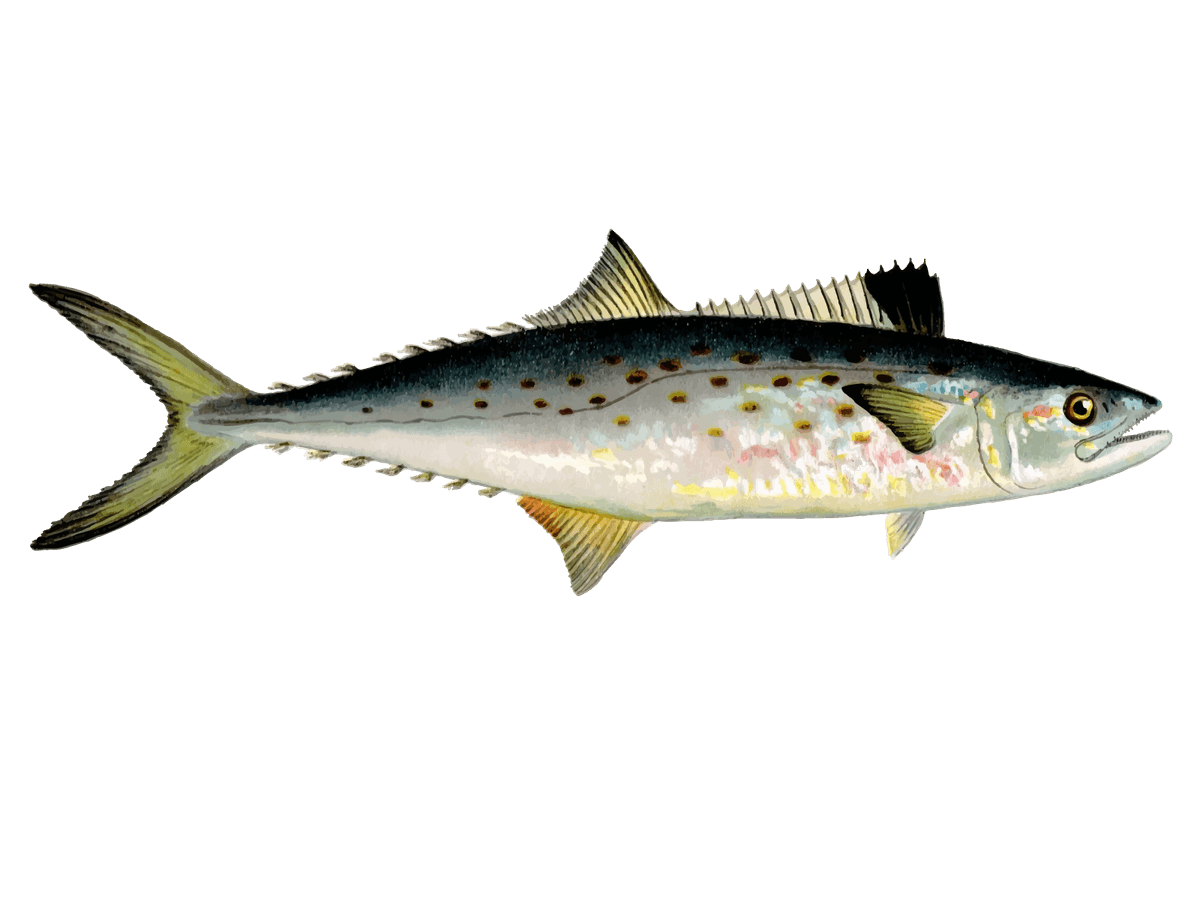
Spanish Mackerel are absolute blast to catch and one of the most reliable species in these waters. These silver bullets typically range from 12 to 20 inches and hit lures with aggressive strikes that'll get your heart pumping. They're most active during the cooler months from fall through early spring, but you can find them year-round around the jetties. What makes Spanish Mackerel so exciting is their speed – they'll rip drag and make multiple runs before you get them to the boat. They're also excellent table fare, making them a customer favorite for both the fight and the meal.
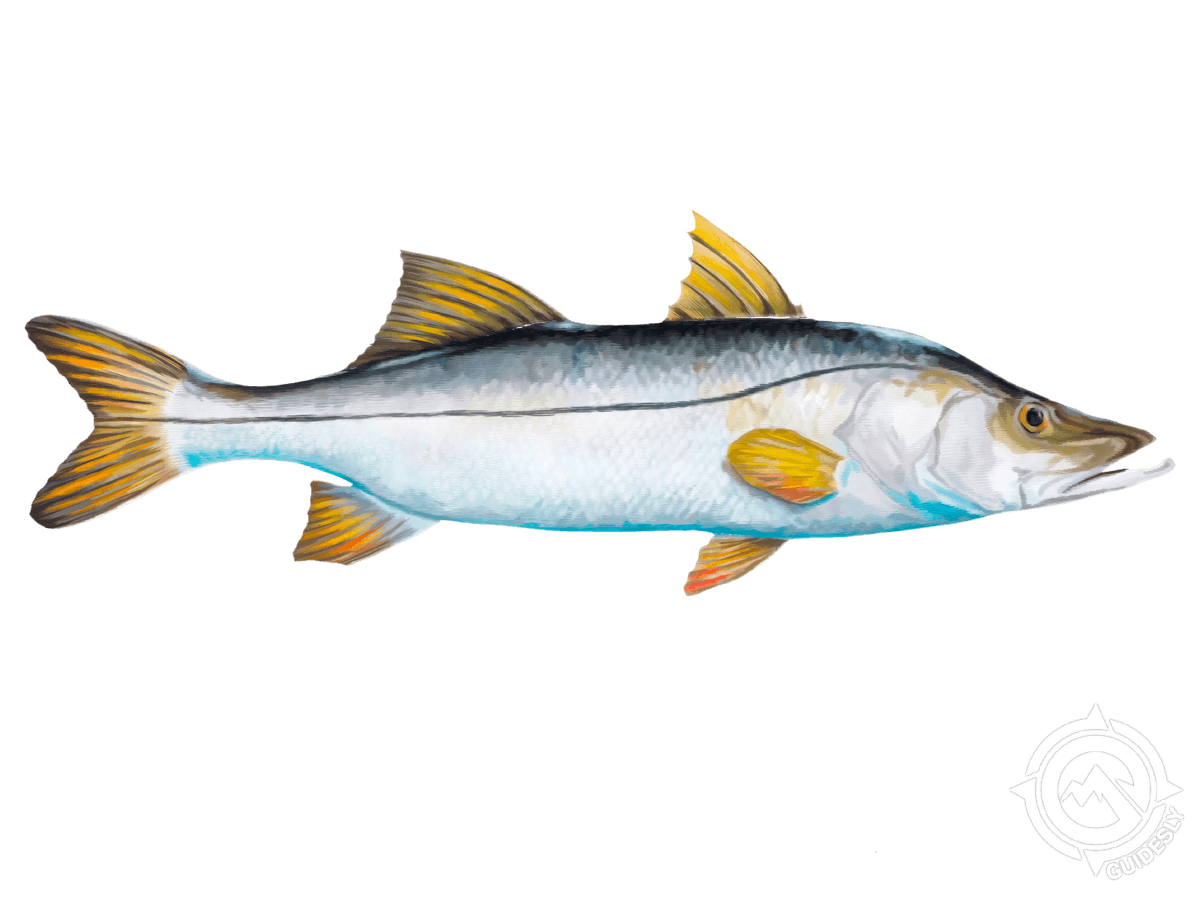
Snook are the crown jewel of Florida inshore fishing, and the Port Canaveral area holds some beautiful fish. These ambush predators love structure and will slam lures with explosive strikes. Most Snook in these waters range from 18 to 28 inches, with the occasional larger fish pushing 30-plus inches. They're most active during dawn and dusk, which is perfect timing for our early morning trips. The thrill of hooking a Snook comes from their initial run and their tendency to jump and shake their heads trying to throw the hook. They're also masters of finding structure to wrap you up, making each fight a tactical battle.
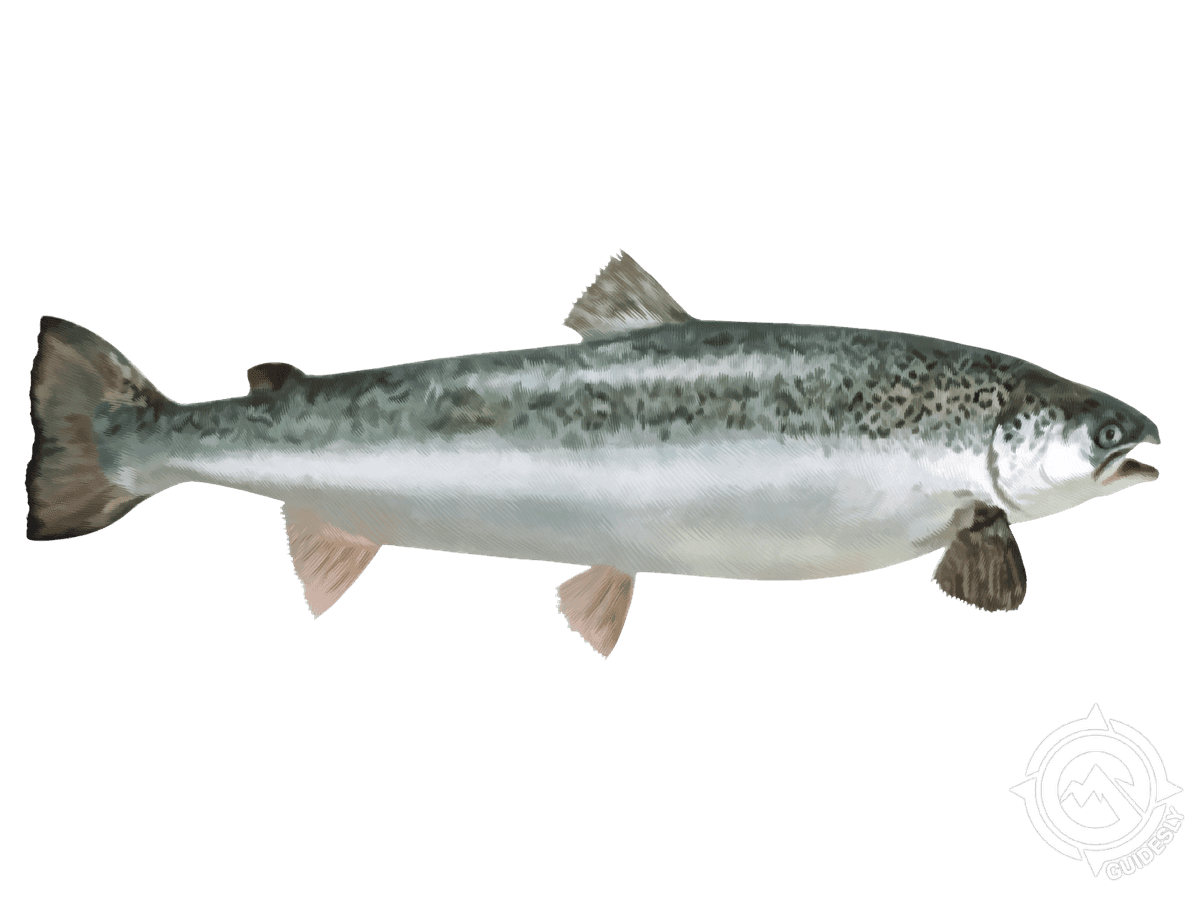
Sea Trout, or Speckled Trout as locals call them, are probably the most consistent fish you'll encounter on this trip. They're eager biters that respond well to both live bait and artificials, making them perfect for anglers of all skill levels. These spotted beauties typically run 14 to 18 inches in our area, with larger "gator trout" occasionally showing up. They're most active in the early morning hours when we'll be fishing, and they love the grass flats and edges around the jetties. What guests love about Sea Trout is their willingness to bite and their excellent eating quality – they're a staple of Florida fish fries.
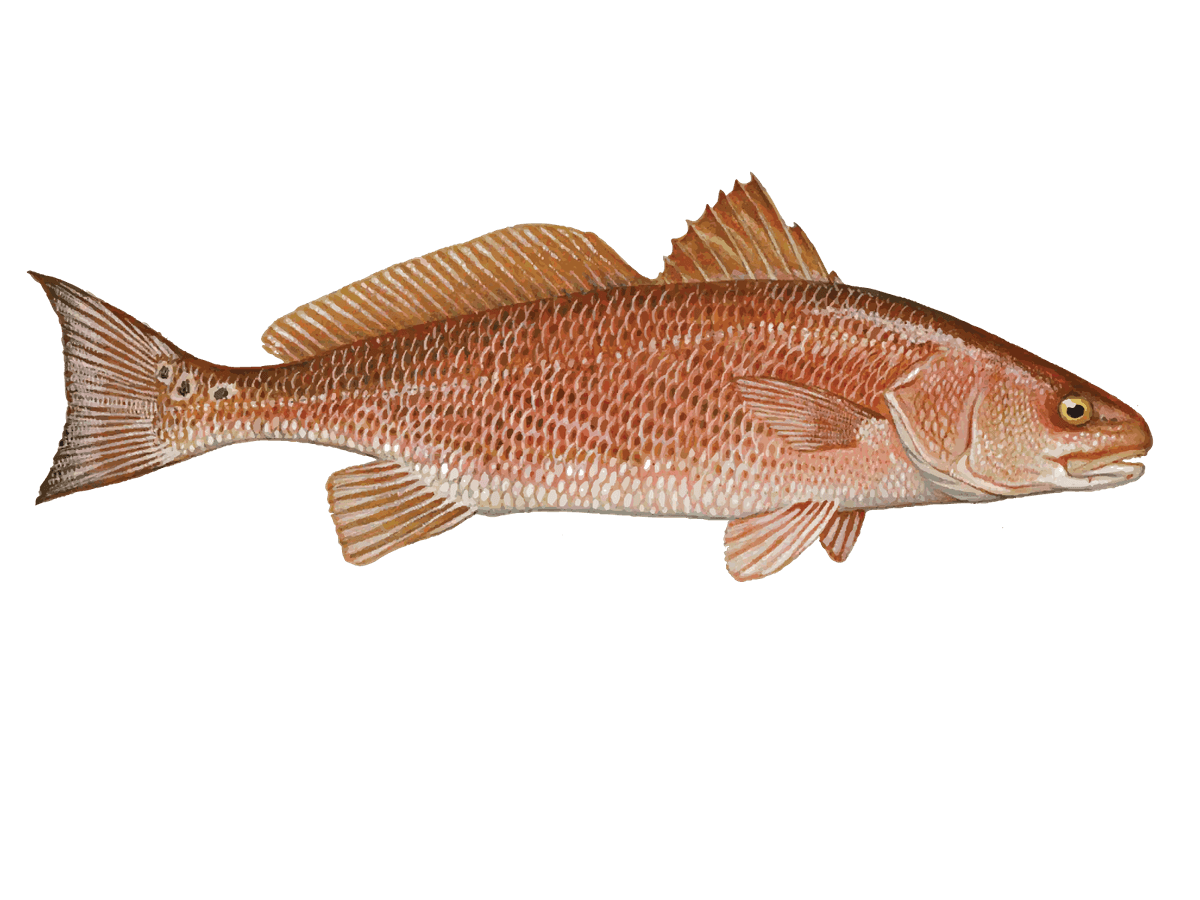
Redfish, or Red Drum, are the bulldogs of the flats and one of the most sought-after inshore species. These copper-colored fighters typically range from 18 to 27 inches in our waters, with their distinctive black spots making them easy to identify. Redfish are strong, steady fighters that will test your tackle and your endurance. They're year-round residents but fish best during the cooler months when they're more active in shallow water. What makes Redfish special is their tendency to cruise in small schools, so when you find one, there are usually more nearby. They're also incredibly smart fish that can be challenging to fool, making each hookup feel like a real accomplishment.
Time to Book Your Spot
This quick cast trip delivers maximum fishing action in a compact timeframe, perfect for busy schedules or anyone wanting a taste of Port Canaveral's world-class inshore fishing. With single-guest capacity, you get personalized attention and the flexibility to fish your way. The early morning timing puts you on the water when fish are most active, and the jetty locations are consistently productive year-round. Don't let this top-rated fishing opportunity slip by – spots fill up quickly, especially during peak season. Call 321-212-9020 to secure your date and get ready for a morning of steady action on some of Florida's best inshore waters. Remember, deposits are non-refundable,
Customer Review
Keepers Caught

Patricia W.
March 24, 2021
Learn more about the species
Redfish
Redfish are our bronze-backed bruisers with those distinctive black spots near the tail. Around Port Canaveral, most slot fish run 18-27 inches, but we also see oversized "bull reds" that can exceed 40 inches and 30 pounds. These fish thrive in super shallow water - often just 1-4 feet deep around oyster bars, mangrove shorelines, and grass flats. They feed year-round but fishing peaks during fall and spring when they're most active. What makes them special is their powerful, bulldogging fight and willingness to eat topwater lures, creating explosive surface strikes. They're also excellent table fare with sweet, firm meat. Pro tip: look for "tailing" redfish with their backs out of water while feeding - approach quietly and drop your bait right in front of their nose for an almost guaranteed hookup.
Sea Trout
Spotted Sea Trout, or "specks" as we call them, are beautiful fish with dark spots scattered across their silver-green backs. Most range from 12-18 inches, though keeper-sized fish of 15+ inches are what we're after. These trout love grass flats and sandy bottom areas in 2-8 feet of water, especially around Port Canaveral's vast flats system. They bite year-round but peak during cooler months when they school up in deeper holes. Anglers enjoy their gentle fight and delicate, flaky white meat that's outstanding fried or blackened. They're perfect for beginners since they're willing biters on live shrimp and soft plastics. Local tip: fish the deeper grass edges on moving water, and use a popping cork with live shrimp - the sound draws them in from a distance.
Snook
Snook are our signature inshore trophy with that unmistakable black lateral line and golden coloring. They typically run 18-28 inches around here, but the big gals can push 30+ inches and really test your drag. These fish are structure lovers - you'll find them around mangroves, docks, jetties, and bridge pilings in water from 2-15 feet deep. Best fishing happens during warmer months, especially around dawn and dusk when they're actively feeding. What guests love is their explosive topwater strikes and powerful runs that'll get your heart pumping. They're also fantastic table fare with firm, white meat. Here's a local trick: work your lure slowly along structure edges and be ready - snook hit hard and fast, then immediately try to wrap you around the nearest piling.
Spanish Mackerel
Spanish Mackerel are fast-moving silver beauties with distinct yellow spots running down their sides. Most run 1-2 feet and weigh 2-4 pounds, but they pack serious speed and make blistering runs when hooked. Around Port Canaveral, we find them schooling near the jetties and along the surf line, especially during warmer months from spring through fall. They love to chase baitfish in open water and will smash spoons, small jigs, and live shrimp. What makes them special is that explosive strike and their excellent eating quality - mild, white meat that's perfect grilled or smoked. Pro tip: when you see diving birds working baitfish, get your lure in there fast. These mackerel move quickly through an area, so timing is everything.

We caught llots of fish, these were the keepers! Cant wait to go again!